Mushroom variety database: conditions for 13 varieties
Thirteen varieties, with the seller's stated difficulty, fruiting temperature, humidity, CO2 limit, growth time and number of crops. Oysters, reishi and lion's mane are rated beginner, and most species fruit at 60 to 80°F.
The numbers
This table copies the per-species figures from North Spore's fruiting block booklet. They describe North Spore's roughly 5 lb blocks grown in a fruiting chamber, so treat them as that seller's targets, not a promise for every kit. Humidity is relative humidity, shown as pin stage / fruiting body. The booklet lists "growth" and "crops" per species without a longer definition, so we give them as it does.
Scroll sideways to see every column.
| Variety | Difficulty | Fruiting temperature | Humidity pins / fruiting body | CO2 | Growth | Crops |
|---|---|---|---|---|---|---|
| Blue oyster | Beginner | 55 to 75°F | 95-100% / 85-95% | <1,000 ppm | 1 to 2 weeks | 2 to 3 |
| Italian oyster | Beginner | 65 to 75°F | 95-100% / 85-95% | <800 ppm | 1 to 1.5 weeks | 1 to 2 |
| Golden oyster | Beginner | 65 to 80°F | 98-100% / 88-95% | <1,000 ppm | 1 to 1.5 weeks | 2 |
| Pink oyster | Beginner | 70 to 80°F | 95-100% / 85-95% | 500-1,000 ppm | 1 to 2 weeks | 2 |
| Snow oyster | Beginner | 45 to 65°F | 95-100% / 85-95% | <1,000 ppm | 1 to 2 weeks | 1 to 2 |
| Reishi | Beginner | 65 to 80°F | 95-100% / 85-95% | Antler 20,000-40,000 ppm, fruiting body <2,000 ppm | Slow: 1 to 2 months, plus 2 months | 1 |
| Lion's mane | Beginner | 55 to 70°F | 90-95% / 80-90% | Primordia 500-700 ppm, fruiting body <1,000 ppm | 1.5 to 2 weeks | 2 |
| Black king oyster | Intermediate | 55 to 70°F | 90-95% / 80-90% | <800 ppm | 2 to 3 weeks | 1 to 2 |
| King trumpet | Intermediate | 50 to 65°F | 95-100% / 85-95% | High CO2 in the bag, fruiting body <2,000 ppm | 2 to 3 weeks | 1 to 2 |
| Chestnut | Intermediate | 60 to 70°F | 98-100% / 88-95% | Primordia 500-1,000 ppm, fruiting body <1,000 ppm | 2 to 3 weeks | 2 |
| Shiitake | Intermediate | 55 to 70°F | 95-100% / 85-95% | <1,000 ppm | 1.5 to 2 weeks once in the chamber | 2 to 4 |
| Pioppino | Advanced | 55 to 65°F | 95-100% / 85-95% | <2,000 ppm | 2 to 3 weeks | 2 |
| Nameko | Advanced | 45 to 65°F | 98-100% / 88-95% | Primordia 500-1,000 ppm, fruiting body <1,000 ppm | 2 to 3 weeks | 2 |
The thirteen, by difficulty
The same difficulty ratings from the table, grouped so you can see where each variety sits. The drawings are only for recognizing the shape of each mushroom.
Beginner
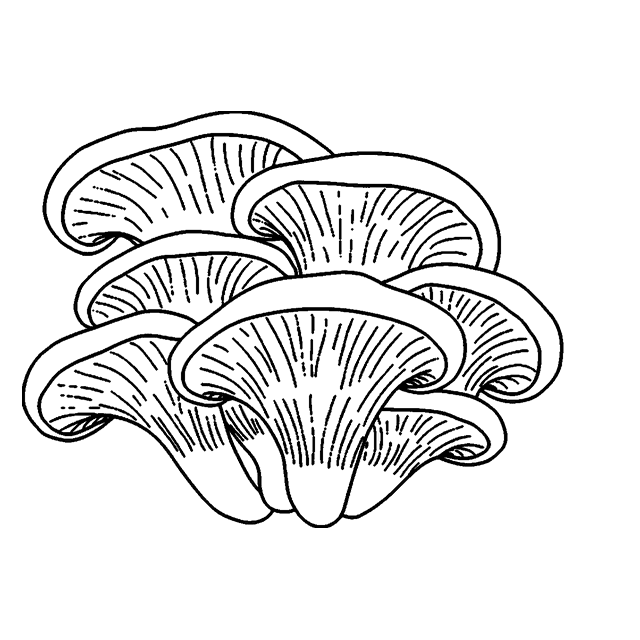 Blue oyster
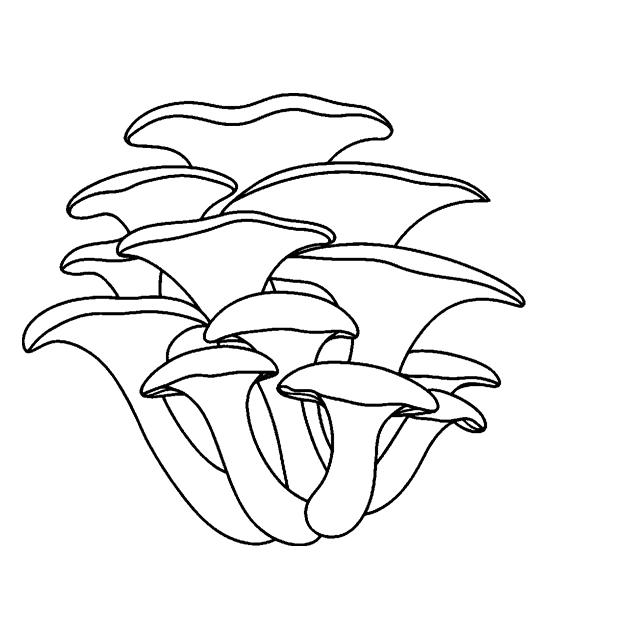 Italian oyster
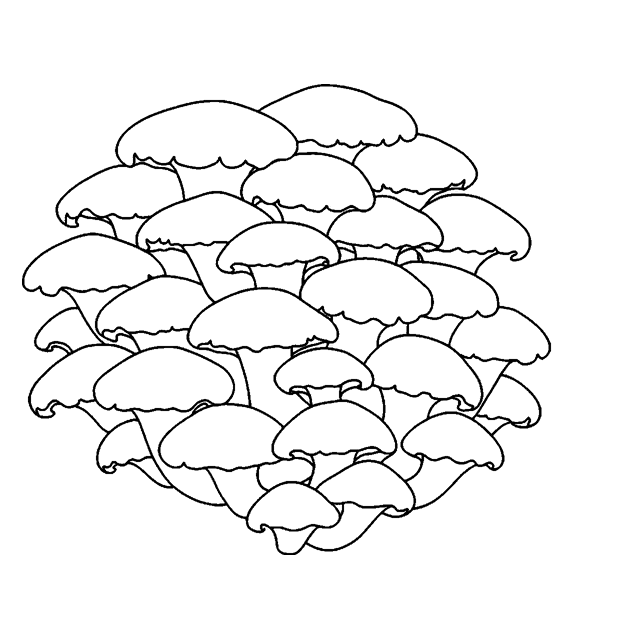 Golden oyster
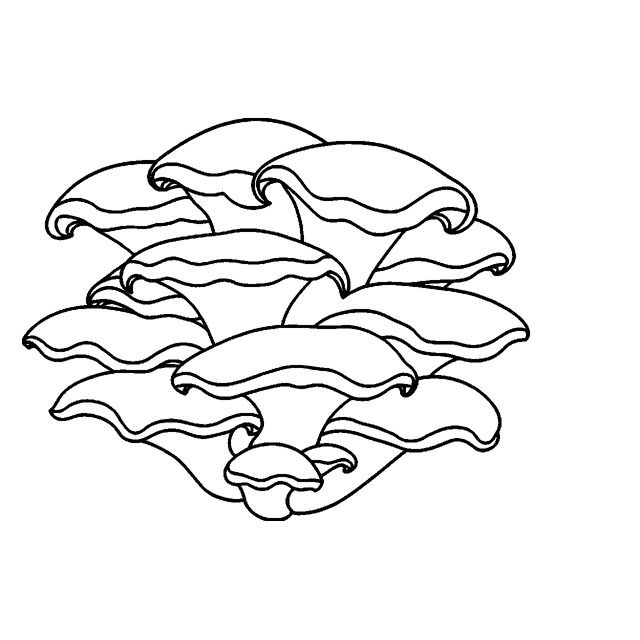 Pink oyster
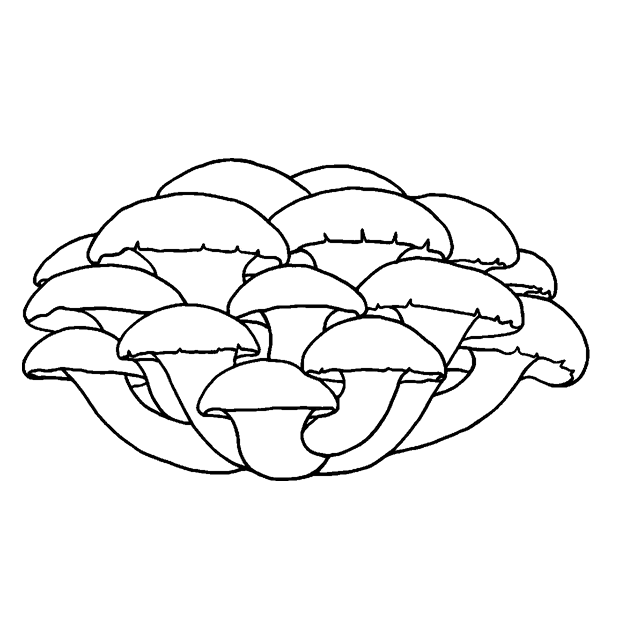 Snow oyster
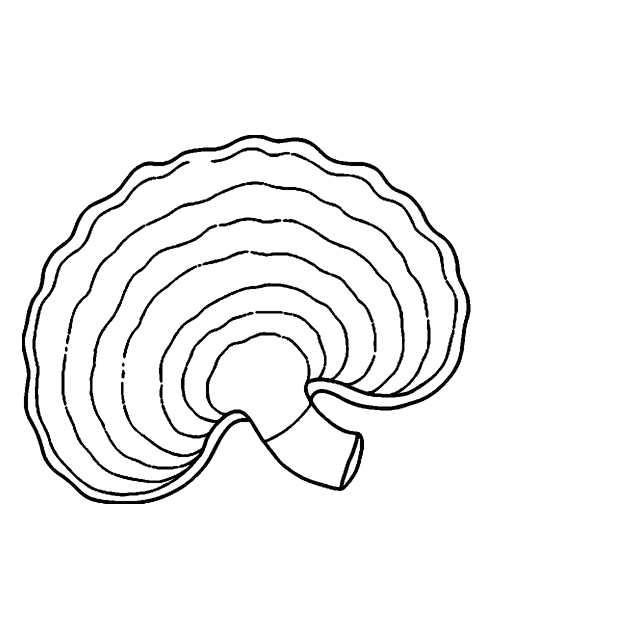 Reishi
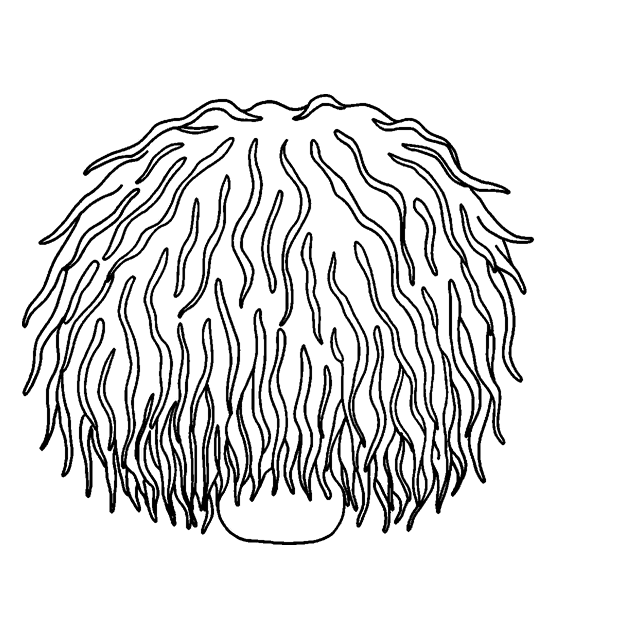 Lion's mane
Intermediate
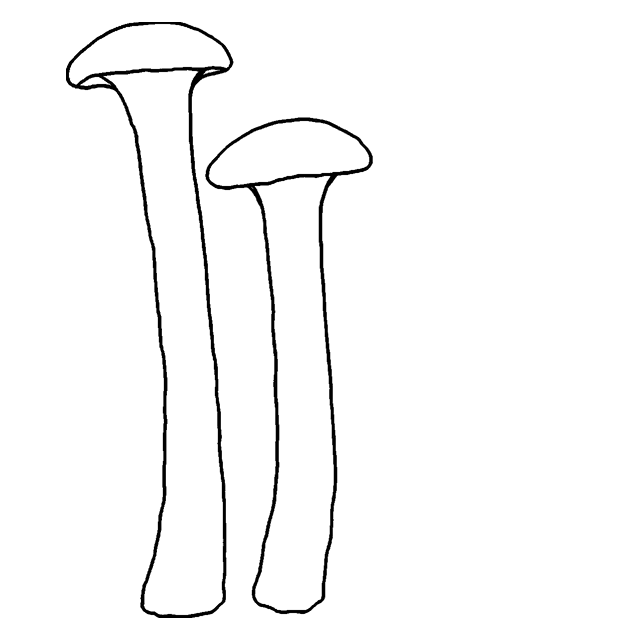 Black king oyster
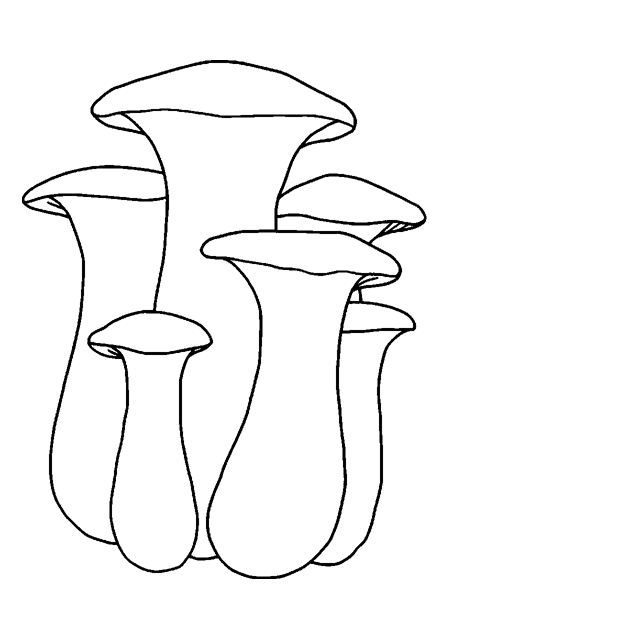 King trumpet
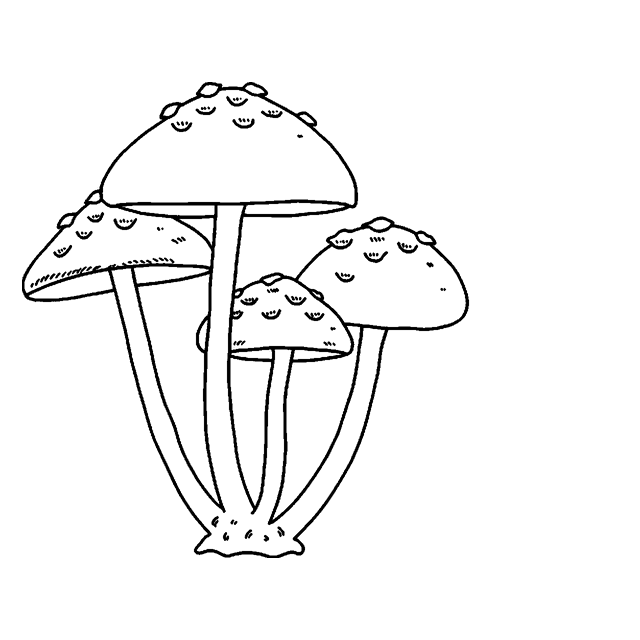 Chestnut
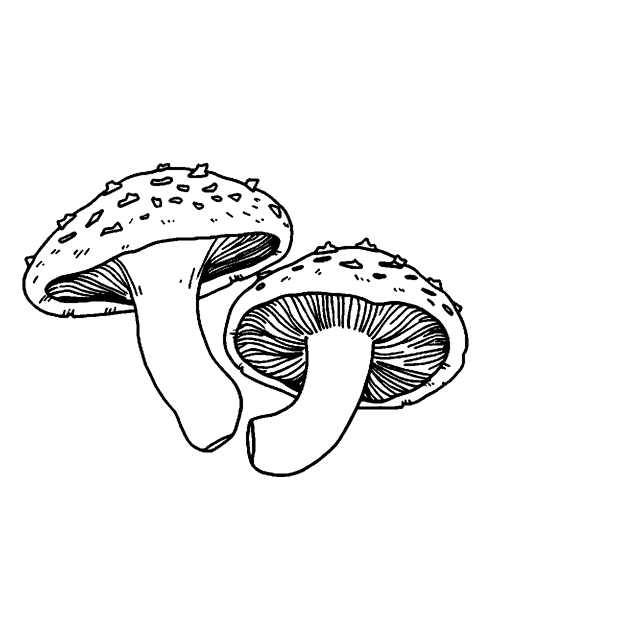 Shiitake
Advanced
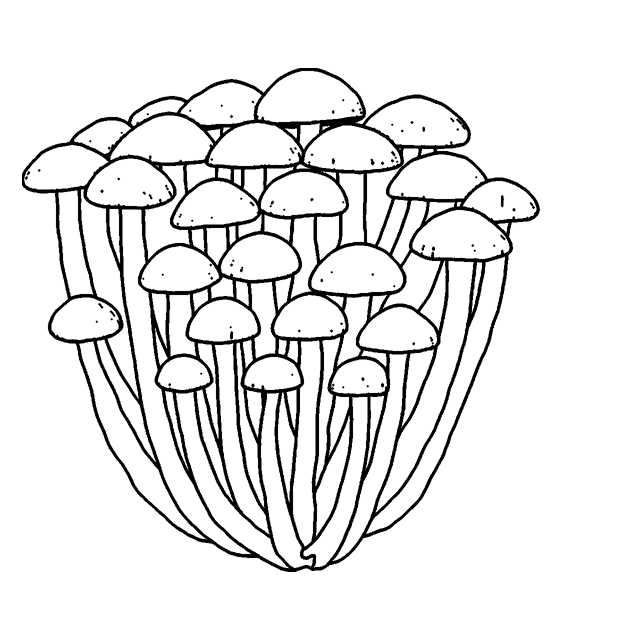 Pioppino
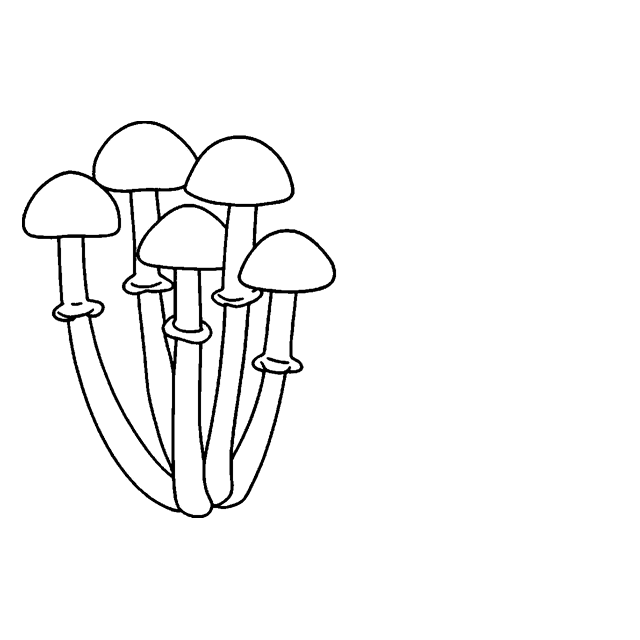 Nameko
Notes the booklet adds
- Blue oyster: high CO2 gives long stems and small caps, and cooler temperatures with more light give a bluer cap.
- Golden oyster: will not grow below 65°F, is best in summer, is fragile, and is harvested just before the caps flatten.
- Pink oyster: harvest slightly young, because it spoils quickly.
- Snow oyster: brittle caps, best in winter.
- Lion's mane: harvest after the teeth form but before they elongate.
- Shiitake: the block browns in the bag for about 1 to 2 months, then is refrigerated for at least 48 hours and soaked for about 4 hours. It is trimmed flush with the block at harvest.
General rules from the same booklet
- Most species fruit generally at 60 to 80°F, with exceptions.
- Lower the humidity by 5 to 10% once pins form.
- Run the light on about a 12-hour timer.
- Warmer temperatures need more ventilation.
To look up one variety against your room, use the fruiting conditions cheat sheet. To find a species to start with, take the mushroom variety quiz. Growing steps are in how to grow mushrooms at home.
Keep reading
- How to grow oyster mushrooms: care for the easiest variety to start with
- Mushroom growing glossary: flush, pins, substrate and more
- What is mycelium?: the living part of the mushroom
Common questions
Which mushrooms are easiest to grow?
North Spore's booklet rates blue, Italian, golden, pink and snow oyster, reishi and lion's mane as beginner. Black king oyster, king trumpet, chestnut and shiitake are intermediate, and pioppino and nameko are advanced.
What temperature do mushrooms fruit at?
The booklet says most species fruit generally at 60 to 80°F, with exceptions. Snow oyster and nameko are listed down to 45°F, and golden oyster will not grow below 65°F.
Do these numbers apply to my kit?
They describe North Spore's fruiting blocks in a chamber. Another seller's block, or a boxed Spray & Grow kit on a counter, may be different, so read your own kit's sheet first.
Sources
- Fruiting Block Kit Instruction Booklet (PDF), North Spore. Checked November 11, 2026.
- Fruiting Block Kits FAQ, North Spore. Checked November 11, 2026.
How this page is checked
Cedrick Reese copied the figures in this table from North Spore's fruiting block booklet and checked each row against the PDF on the date shown. The booklet describes North Spore's own blocks, so the page names it as the source for every number. We have not grown these species for this page, and we have added no numbers of our own. When the seller updates its booklet, this table is rechecked.